


Summit challenged corporate media practices in Ecuador and the world




The Summit for Responsible Journalism in the Modern Day (Spanish acronym: CUPRE) gathered media-makers and enthusiasts in Guayaquil, Ecuador on June 19 and 20. Journalism students, government officials, academics and left-wing media workers from Ecuador and beyond converged to discuss President Rafael Correas vision of an information marketplace motivated not by profit but by social need.
Although high-profile keynote addresses by Correa and Wikileaks founder Julian Assange book-ended the conference, a rich debate about Ecuadors unique relationship to its mainstream media happened in the in-between. The new Communication Law was on everyones lips. The law seeks to regulate the corporate media and open up the media landscape to community and public outlets. Corporate media says the law places unneccesary restrictions on their freedom to information and freedom of expression.
Keane Bhatt was one of two Americans invited to participate in a Thursday morning panel discussion on journalism and social change. He and Deborah James, from the Washington D.C. Center for Economic and Policy Research, fielded many questions from audience members about the American lefts opinion of current events in Latin America.
Bhatt writes the Manufacturing Contempt blog for the North American Congress on Latin America. NACLA, a non-profit based in New York, publishes a quarterly report that seeks to inform a progressive analysis of the United States relationship with Latin America.
In the following video, he discusses what he thinks Ecuadors current self-exploration of media issues means in a continental context:
More CUPRE coverage (Spanish)

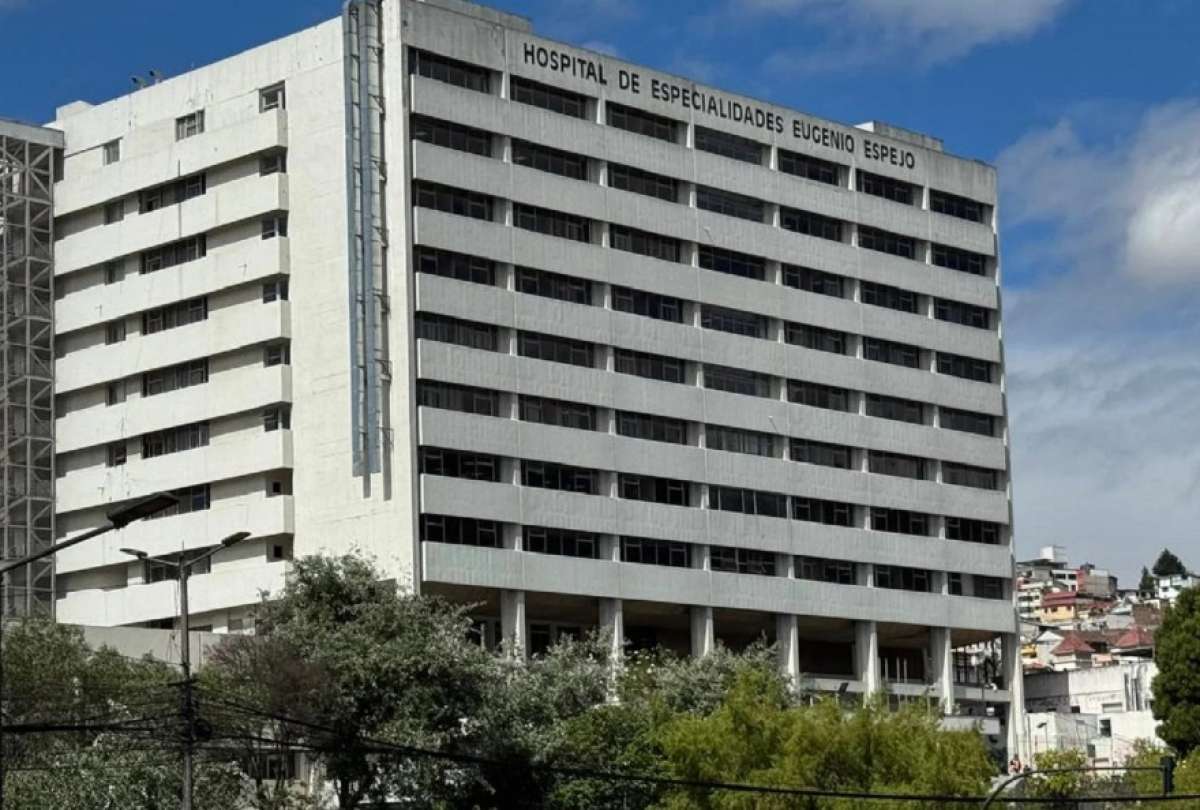
Contraloría ratifica glosas por más de USD 11 millones en hospitales del Ministerio de Salud
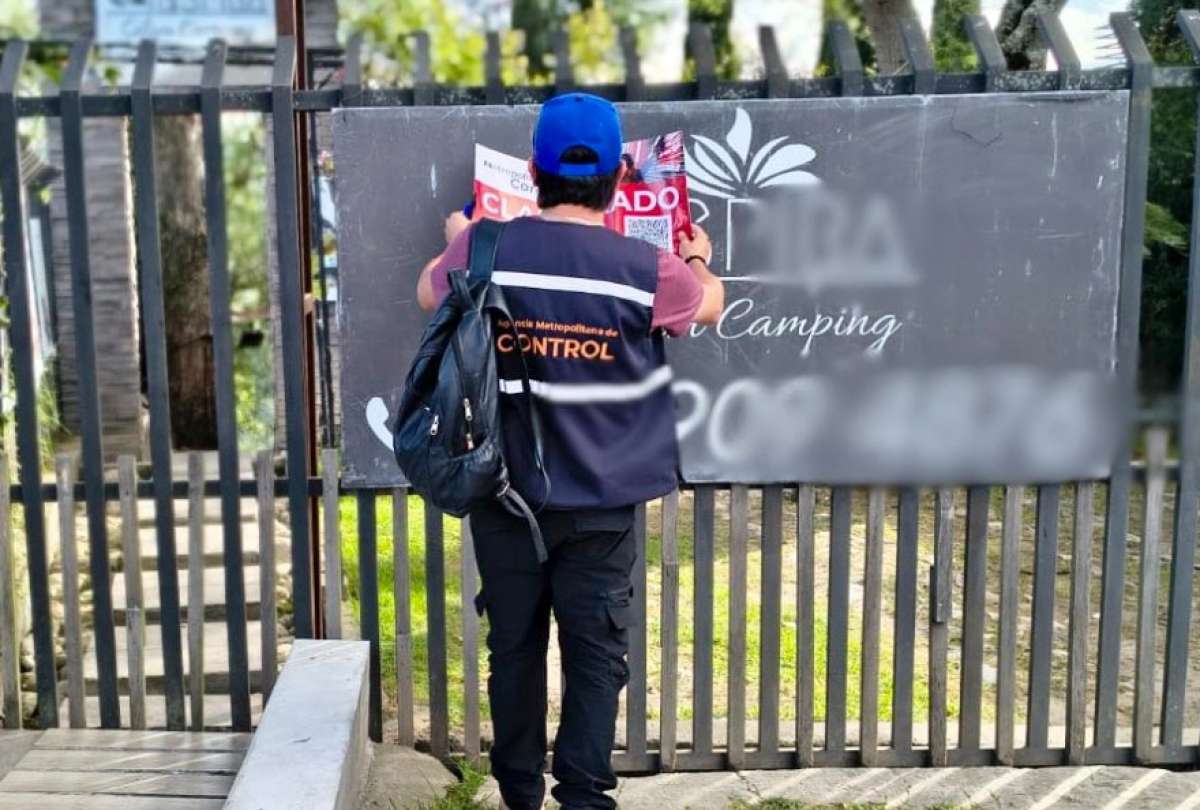
Dos glampings fueron clausurados en Puembo. Operaban sin permisos
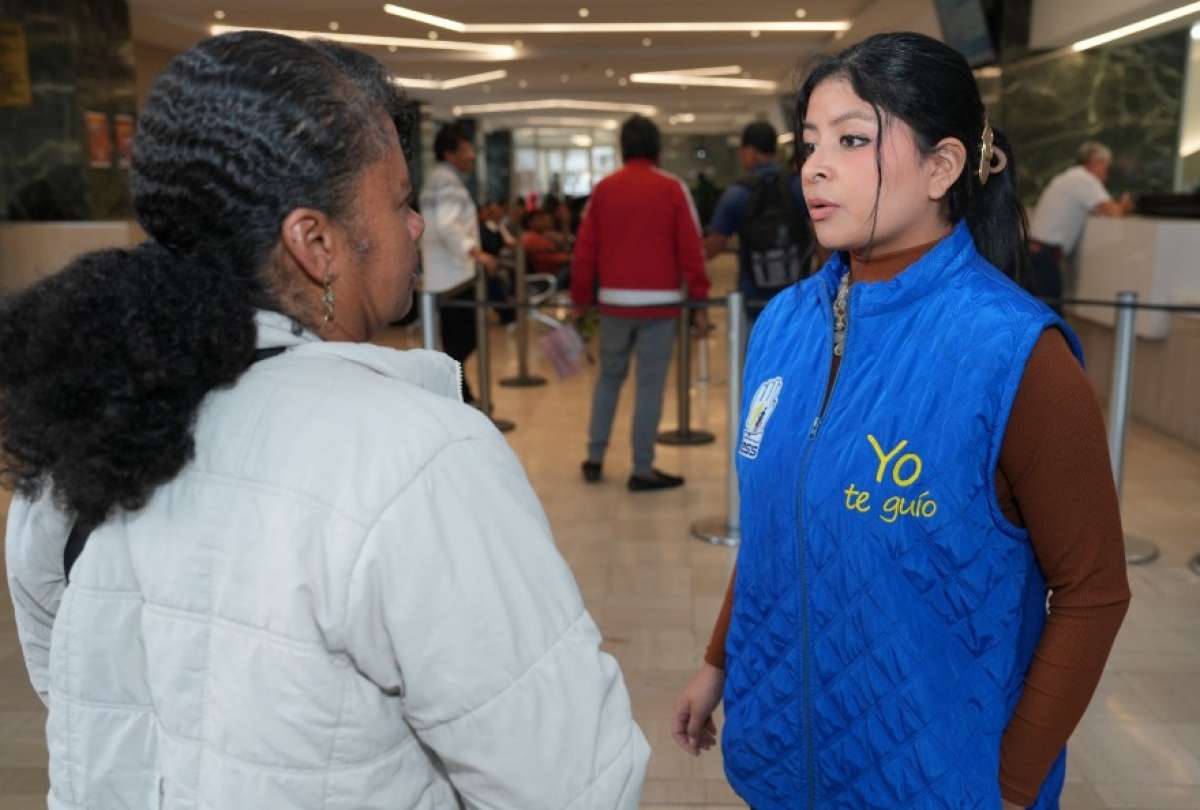
IESS Pichincha habilitará atención extraordinaria para trámites
Guayaquil: ¿Un ganso transportado en el techo de un auto?
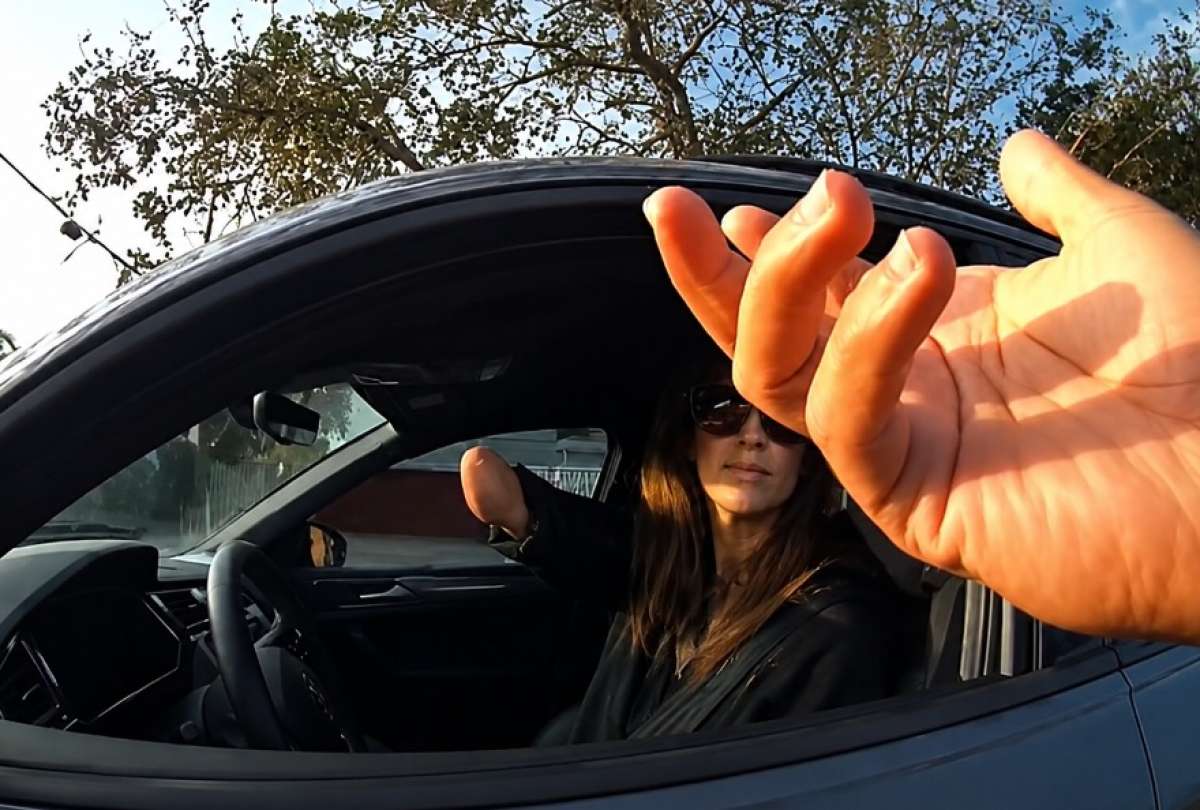
¡Insólito! Le multaron por conducir con el celular en la mano, pero no tenía mano
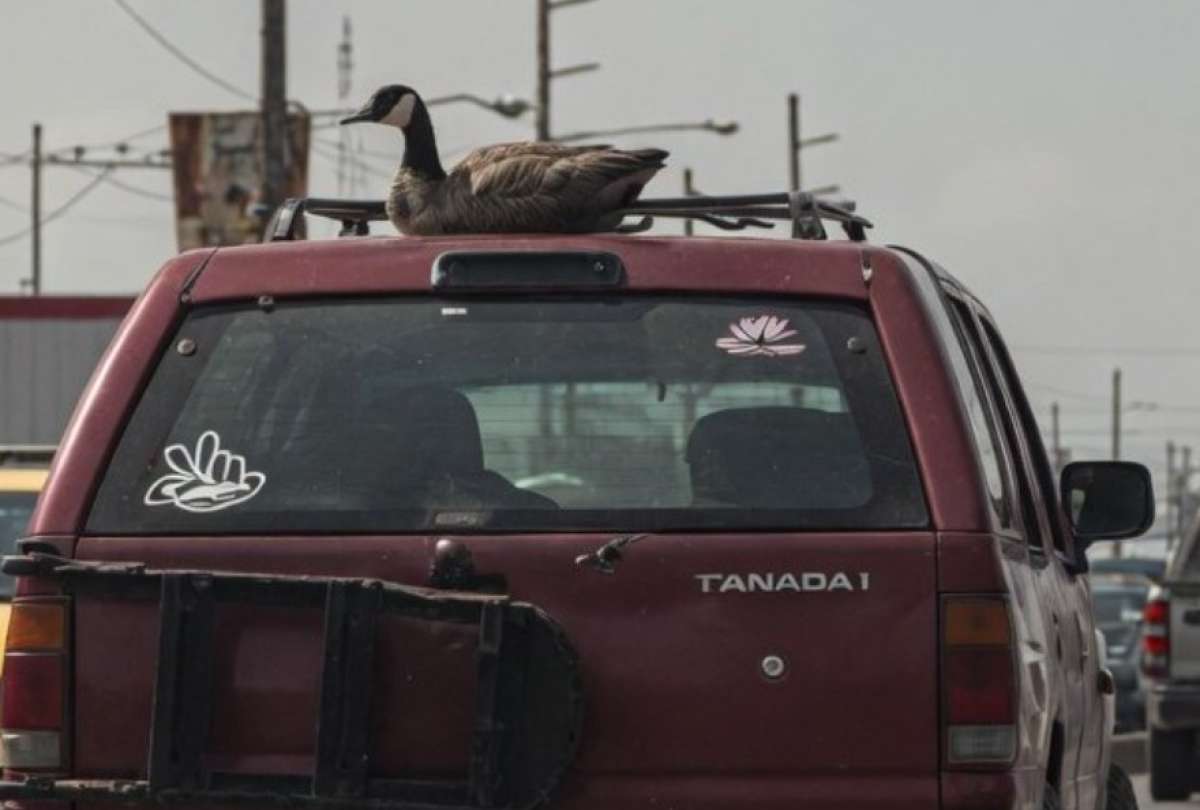
Guayaquil: ¿Un ganso transportado en el techo de un auto?