






Broccoli farming generates about 5,000 jobs in Ecuador. When Ecuador perceived negotiations with the U.S. over keeping the ATPDEA trade tariff exceptions in place were being used to pressure Ecuador on Edward Snowden’s asylum request, Ecuador unilaterally renounced the tariffs.
Shortly after, President Rafael Correa announced a set of measures that would address the effect losing the tariffs would have on local agriculture jobs.
Currently, about 2,000 tons of broccoli are exported to the U.S. a month. The U.S. is the destination of 40 percent of Ecuador’s broccoli exports, worth about $2 million.
The ATPDEA tariffs, short for Andean Trade Promotion and Drug Eradication Act, started in 2002 to offer an incentive to Andean farmers to grow food crops instead of drug crops.
Without the ATPDEA exemptions, tariffs on broccoli entering the United States will jump to 14,9 percent, according to a Quito Chamber of Commerce study.
Rafael Gómez de la Torre, director of a fruit and vegetable producers association, says the government and the exporter’s union are hoping to create a tax credit certificate for the American companies the import Ecuadorian broccoli.
Instead of U.S. importers paying 14.9 percent in taxes (an extra $149 going to U.S. customs for every $1,000 of product), the Ecuadorian-issued certificate would cover that cost. That would keep prices at roughly the same level they are at with the ATPDEA tariff exemptions.
Gómez de la Torre says he hopes these measures are short term, and a trade agreement between Ecuador and the U.S. is reached eventually.
“These sorts of compensations are vulnerable to legal challenge. Competing countries can say that it is a violation of world trade rules. I hope that doesnt happen,” he says.


Unión Europea analiza fijar una edad mínima para el acceso de adolescentes a redes sociales

Colapso de pared en Tumbaco deja nueve personas heridas
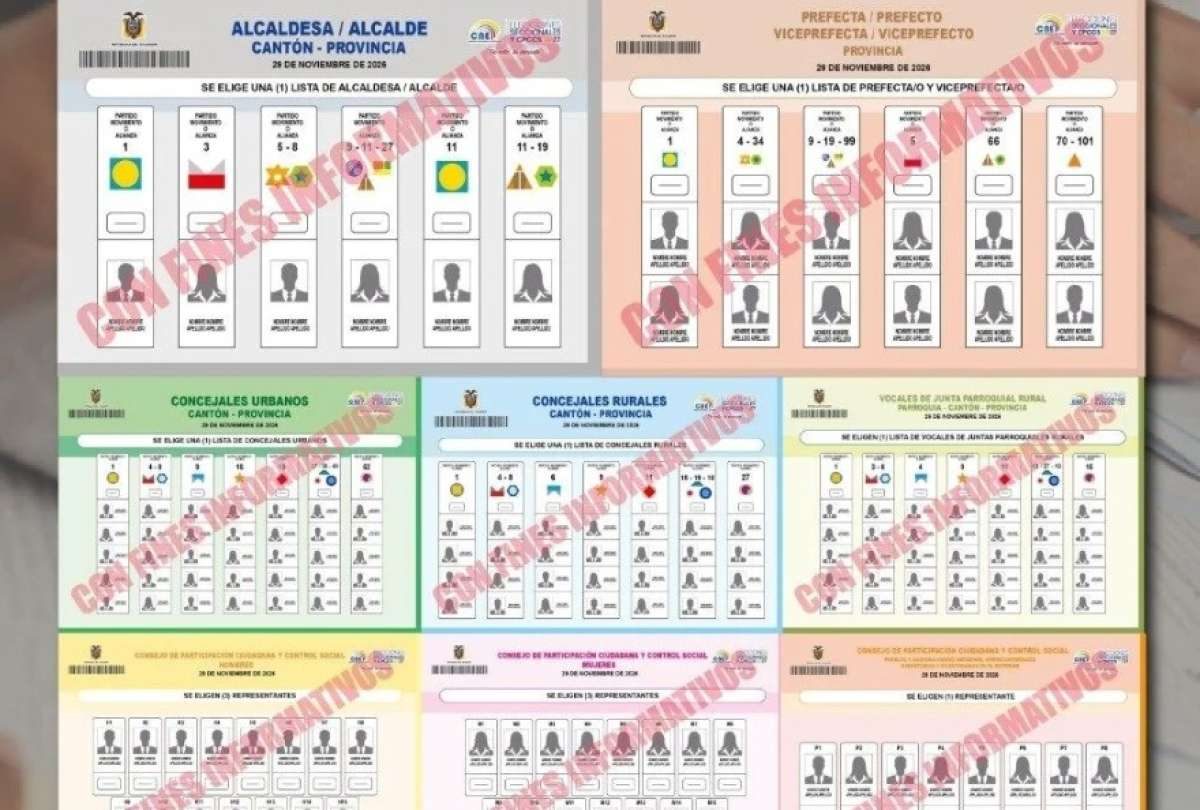
CNE aprueba diseño de papeletas para las elecciones seccionales y del CPCCS
“El Moisés africano” intentó abrir el mar y terminó huyendo de las olas
VIDEO: Misterioso OVNI fue captado en los cielos de Colombia
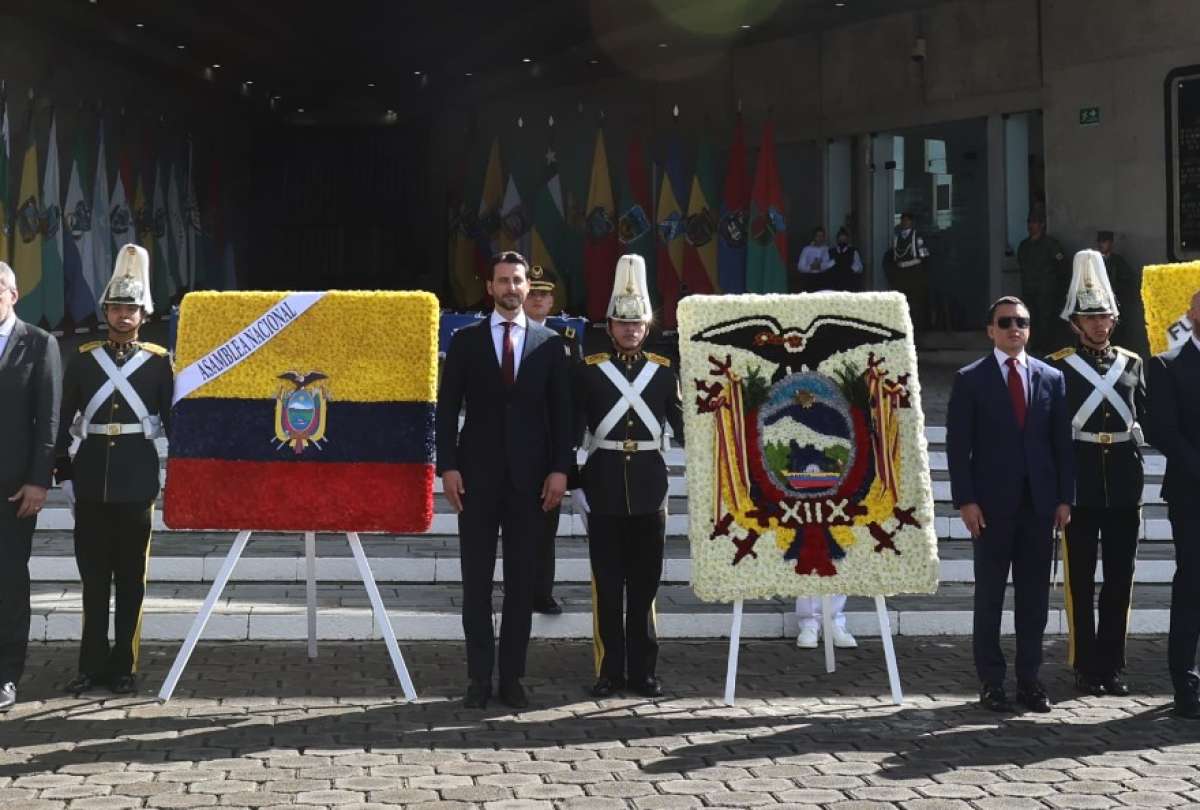
Ecuador conmemora aniversario de la Batalla del Pichincha con mensaje de respaldo a las Fuerzas Armadas
Colapso de pared en Tumbaco deja nueve personas heridas