





In two years, Ecuador plans to have a Public Cord Blood Bank. This national medical center will allow Ecuadorians blood stem cells to be stored, for free.
The center will be able to process, freeze and store umbilical chord blood, to be potentially used for stem cell transplants to treat diseases like leukemia, sickle-cell disease, lymphomas and immune system deficiencies.
The government is investing $3,475,000 in the project. Theyve hired consultants from Mexico, Spain, Uruguay and Argentina.
Diana Almeida, Executive Director of the National Institute of Organ, Tissue and Cell Donations and Transplants (INDOT, Spanish acronym), says there is a huge difference between a public bank and a private one.
“Public banks are for general use and benefit anyone in need of this treatment for free, while private banks limit their services to those who contract them with a $1,000 initial payment and annual payments of around $200.”
Ameida cites studies that say a patient has a 25 percent chance of finding a donor among their brothers and sisters, a 5 percent chance among their parents, and only a one percent chance with other relatives.
Data from the American Academy of Pediatrics show that the probability of finding a compatible donor at a public bank is 1 in 250, while the probability at a private bank varies between 1 in 10,000 and 1 in 250,000.
Ecuador also expects that the bank will benefit other countries from the region that do not have this service, such as Peru, Bolivia, Paraguay and other countries whose genetic characteristics are similar. The creation of the institution will allow Ecuador to become part of the International Network of Cord Banks.

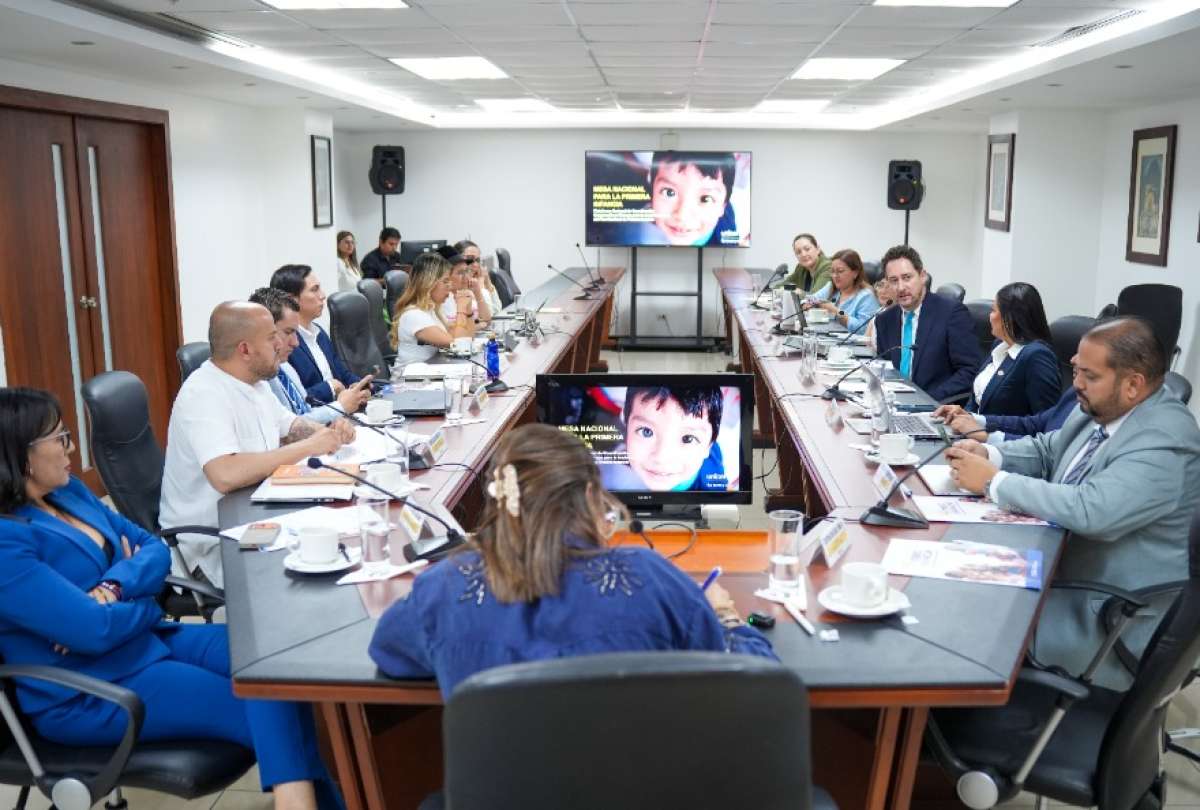
Ecuador instala su primer Comité Nacional de Primera Infancia

Romina Muñoz deja el viceministerio de Cultura